What is photobiomodulation?
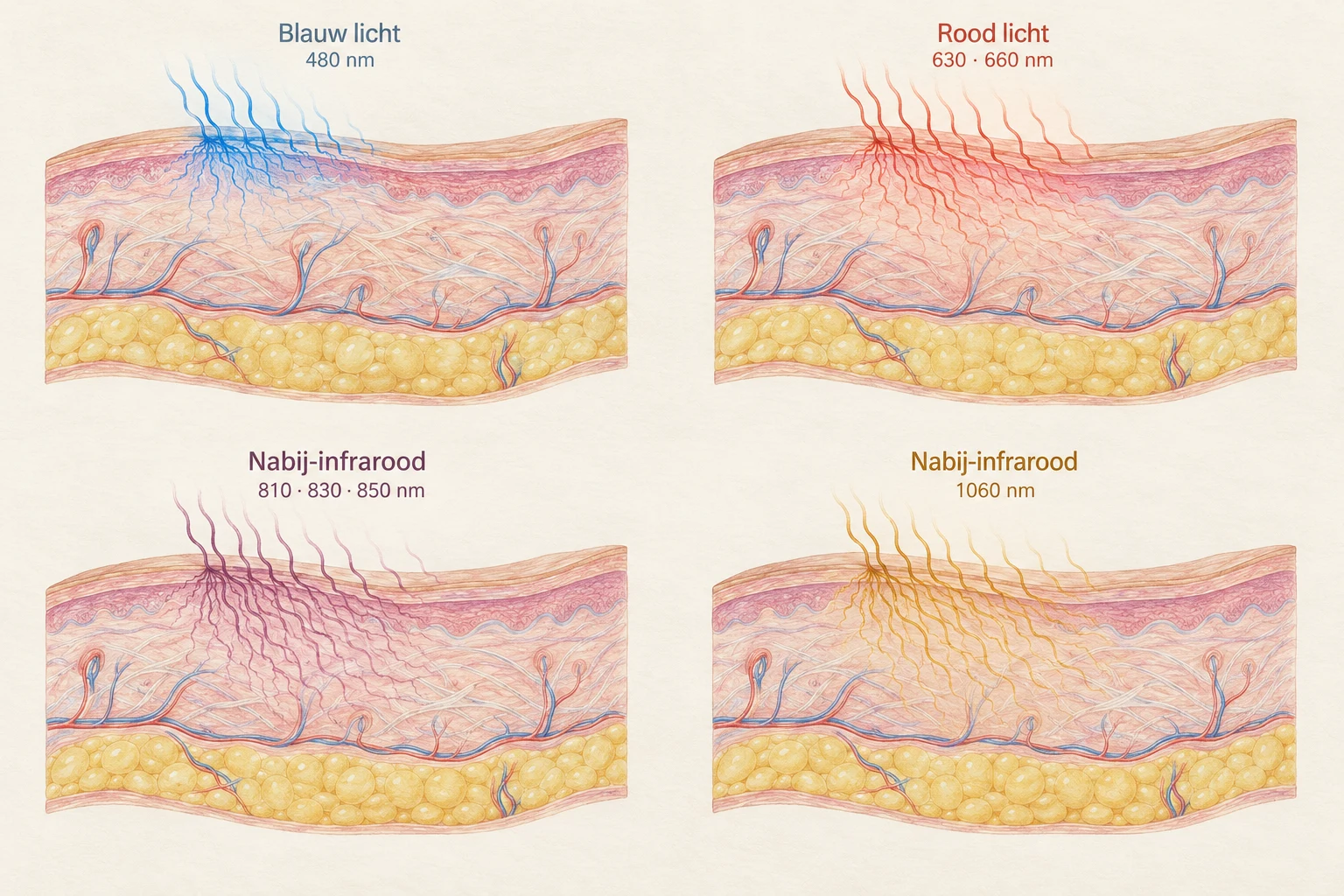
Photobiomodulation means light influencing biological processes. In this application, we use red and near-infrared light. Some enters tissue and is absorbed by light-sensitive molecules in cells. The aim is to trigger a biological response; it is not about heating tissue.
One important explanation under investigation involves mitochondria: cell components that help make ATP, the immediately usable energy for many cellular processes. Light absorption can affect their activity and signals within the cell. Researchers study changes in energy metabolism, inflammatory responses and tissue repair, among other things.
This does not mean light simply charges your cells like a battery. The precise mechanisms are not yet fully understood. A cellular change also does not automatically mean you feel more energetic or recover faster. Whether an application helps depends on factors including the complaint, wavelength, dose and tissue treated.
What happens during a session?
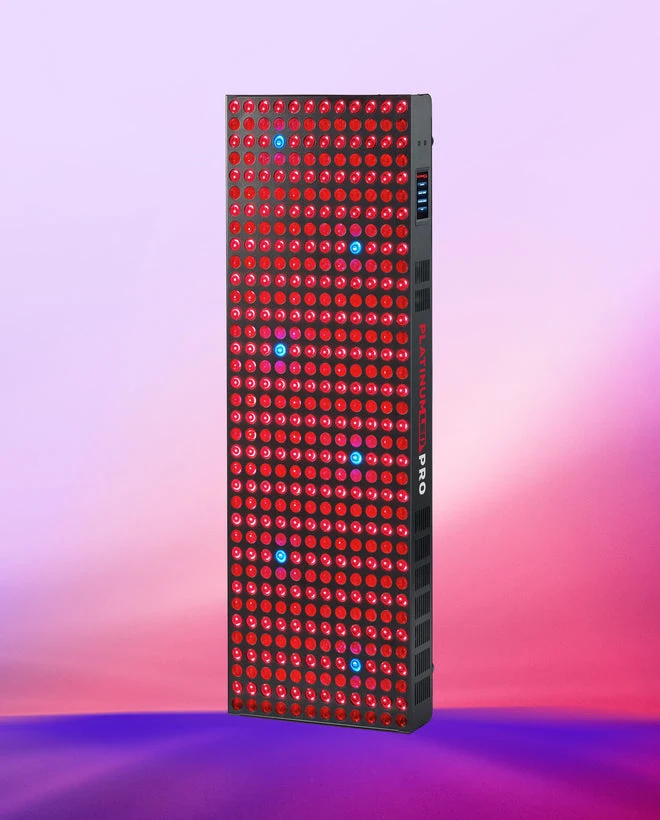
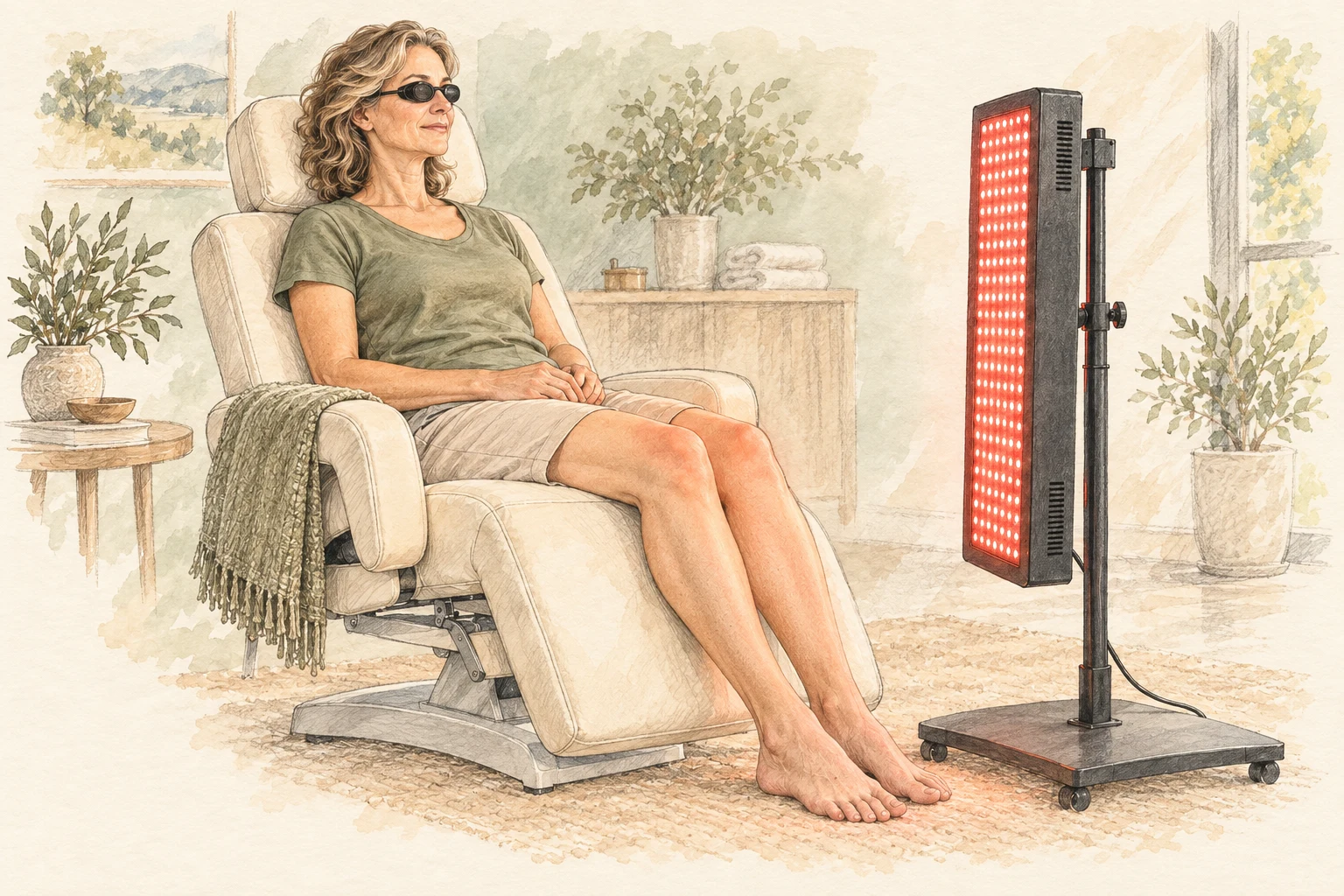
The goal and body area to illuminate are determined beforehand. You are then positioned at the correct distance from the device. Your supervisor explains the duration and necessary precautions, including eye protection where required by the device or protocol.
- Discuss health, medication and any light sensitivity.
- Check the chosen device, position and body area to illuminate.
- Apply light according to the agreed protocol.
- Discuss comfort, skin reactions and your experience after the session.
This is different from light for your sleep rhythm
Daylight and bright light treatment act through the eyes on the sleep–wake rhythm. Red and near-infrared treatment of the body is a different application. Findings or advice about bright light therefore cannot be used as proof that red light treatment improves sleep.
What do the studies show?
A randomised study involving 28 healthy men found favourable outcomes on some muscle recovery measures after specific jumping exercises, but no difference in muscle soreness between groups. The light dose and exercise studied were specific; this does not prove an effect on persistent fatigue or insomnia.
How photobiomodulation influences energy processes in human tissue is being studied. A 2026 study in 12 healthy adults found no increase in measured mitochondrial respiration in skin and muscle tissue after one application. Clinical advice also requires evidence of a noticeable effect on the complaint.
An application you can evaluate
You receive an explanation of the selected body area, proposed protocol and how we evaluate. This helps you understand the potential role of light treatment in your plan. The assessment follows your question and the available evidence.
Red light therapy prices
A single session costs €35. A package of 10 sessions costs €250: €25 per session and a saving of €100 compared with ten single sessions (€350).
We discuss the application, body area and schedule beforehand. Also view the programmes and pricing for all options.
Sources and background
- Photobiomodulation — mechanisms studied (De Freitas & Hamblin, 2016) (opens in a new tab)
- Red and near-infrared light for muscle recovery — study (2022) (opens in a new tab)
- Photobiomodulation and mitochondria — human study (2026) (opens in a new tab)
- Thuisarts — Sleep advice (opens in a new tab)
Research applies to the group and application studied. These sources do not predict an individual treatment outcome.